
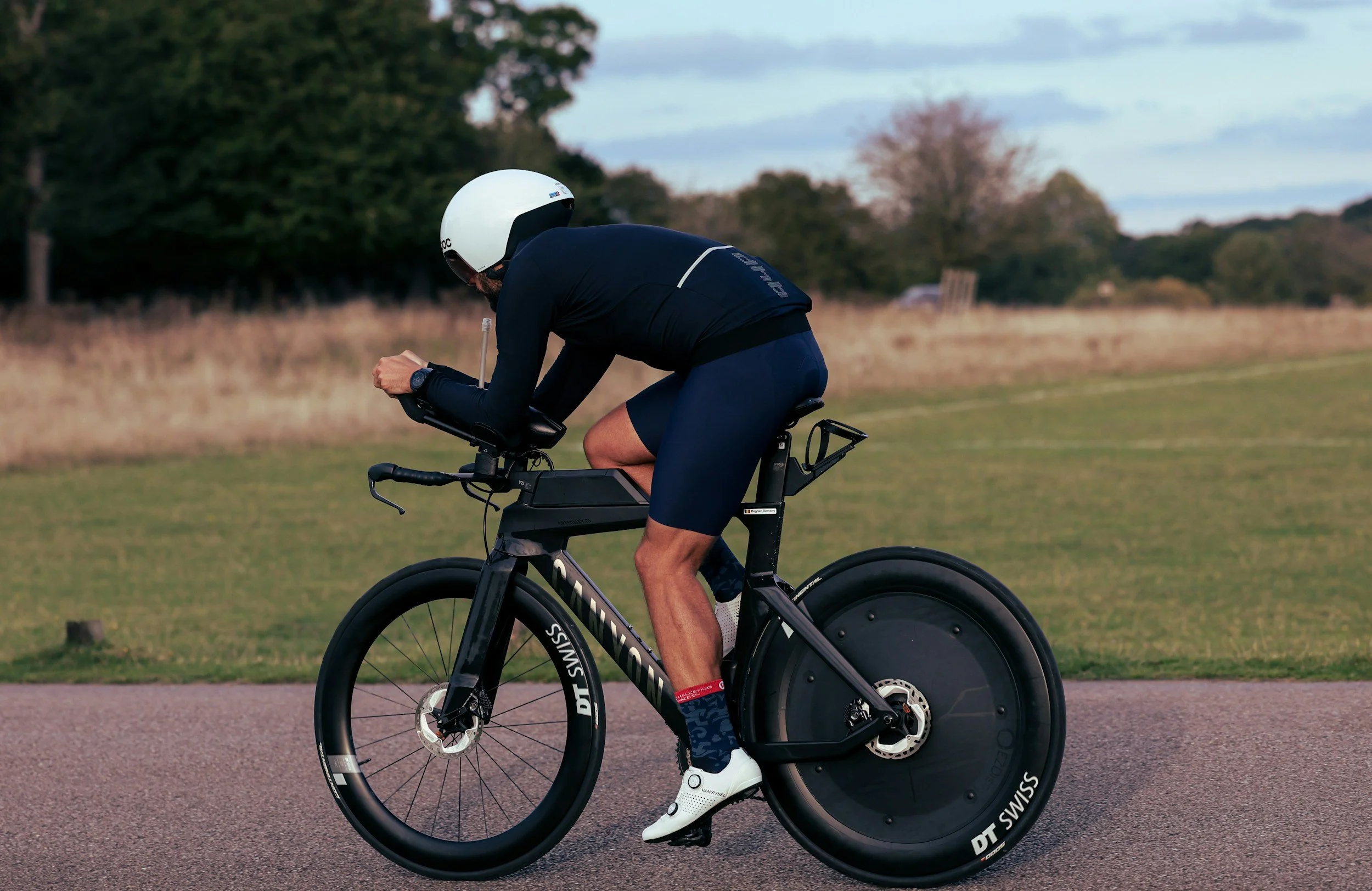
Understand Your Fluid Loss. Optimise Your Performance.
Generic hydration advice ("drink to thirst") often fails endurance athletes during high-intensity training or racing. To perform at your peak, you need to know your Individual Sweat Rate.
Use the TCC Sweat Rate Calculator below to generate a personalised report based on your latest training session.
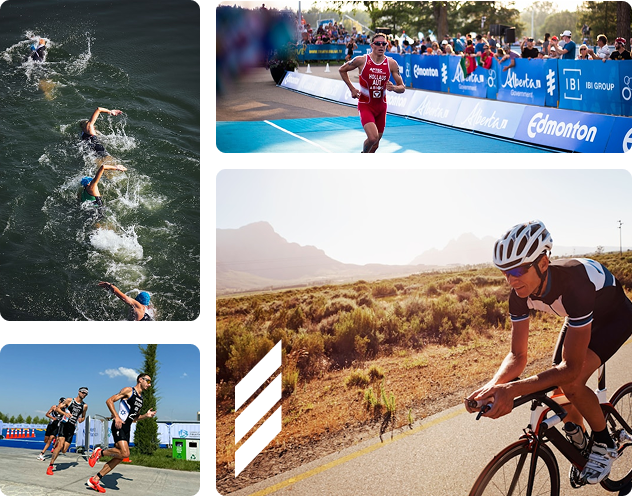
How to Perform Your Sweat Test
For the most accurate results, follow this simple protocol:
Empty your bladder and record your "Dry Weight" (minimal clothing) immediately before your workout.
Train for 60 minutes at your target race intensity.
Track your intake: Use a marked bottle so you know exactly how many milliliters you drank.
Toweling off: After the session, towel off all sweat and record your "Post-Workout Weight" in the same minimal clothing.
TCC Endurance
Calculate your sweat rate
Use the measurements from one training session to estimate your hourly fluid loss. Repeat the test in different conditions to build a more useful picture.
How to complete the sweat rate test
- Weigh yourself immediately before training, after using the toilet and in minimal dry clothing.
- Record everything you drink during the session.
- Record any urine passed during the session, if practical.
- Towel off and weigh yourself again in the same clothing as soon as possible after training.
- Use the same scales and record the session duration accurately.
Using your result
This is an estimate from one session, not a fixed hydration prescription. Conditions, intensity, clothing, acclimatisation and measurement error can all affect the result. Avoid routinely drinking more than your measured losses or finishing exercise heavier than you started.
Interpreting Your Report
The 2% Rule
Science shows that a loss of just 2% of your body mass through sweat can lead to a significant spike in heart rate, increased perceived exertion, and a drop in cognitive function. Our calculator identifies exactly where your "Danger Zone" begins so you can stay ahead of the curve.
The 150% Recovery Protocol
Rehydrating isn't just about drinking what you lost. Due to ongoing sweat and urine loss, the current evidence suggests consuming 150% of your remaining fluid deficit (1.5 L for every 1kg lost) over the 2 to 4 hours following your session to reach baseline hydration.
Why One Test Isn't Enough
Your sweat rate is dynamic. We recommend repeating this test under the following conditions:
Environmental Shifts: When the season changes or you move from indoor to outdoor training.
Intensity Changes: Your sweat rate at recovery pace is significantly different from that at Threshold/FTP.
Sport-specificity: Aerodynamics and cooling on the bike often lead to different sweat rates than running.
Looking for more precision?
Knowing how much you sweat is half the battle. Knowing what is in that sweat (Sodium/Electrolytes) is the other half.
If you are a heavy or salty sweater and struggle with cramping or GI distress, contact a TCC Coach to discuss advanced electrolyte strategies.